

Neuromuscular Therapy for the Intercostals, Upper Extremities, and Upper Thoracics
Date: March 27 – 29, 2026
Time: 9am – 6pm each day
Cost: $595 – Early bird offer (by 3/15)
$695 thereafter (installments available)
Instructors: Lisa Greene LMT
CEU: 24 hands-on
NCBTMB Approved Provider #1002297
Class size is limited!
Location:
Heal Center | Sandy Springs
270 Carpenter Dr. Ste 505.
Atlanta, GA 30238
Days Left!
Neuromuscular Therapy – 24 CEU Intensive
This advanced 24-hour in-person course focuses on Neuromuscular Therapy (NMT) techniques to assess and treat dysfunctions in the shoulder, neck, and TMJ. Combining hands-on training with theoretical understanding, this course covers pain referral patterns, palpation skills, treatment protocols, and related modalities.
Designed for massage therapists looking to enhance their practice skills, this course promotes the longevity of the therapist’s body and improves client outcomes through advanced treatment approaches.
Description
Class Details
Contact Us
Description
NMT for the Intercostals, Upper Extremities, and Upper Thoracic.
Overview
Benefits of Treatment
- Improved Breathing and Respiratory Function
- Reduced Pain and Increased Range of Motion
- Enhanced Circulation and Nerve Function
Objectives
Improvements in Your Technique
- You'll learn precise palpation skills and effective neuromuscular techniques specific to the intercostal spaces and the complex anatomy of the upper thorax.
- This targeted approach sharpens your sensitivity and accuracy, improving your confidence when working with delicate structures and conditions that involve the upper body.
- You'll enhance your capability to treat and address specific respiratory and musculoskeletal conditions, distinguishing your practice with deeper clinical understanding.
Course Outline
Introduction to NMT, Assessment and Treatment Techniques
- Definition and principles of Neuromuscular Therapy
- Overview of pain mechanisms: ischemia, trigger points, nerve compression, and postural distortions
- Client health history review
- Postural analysis and movement assessment
- Identifying pain referral patterns
- Palpation skills: deep yet efficient methods
- Trigger point therapy: patterns and techniques
- Myofascial release and joint mobilization
Application and Treatment Strategies for Specific Conditions
Therapist Longevity
- Techniques to minimize physical strain
- Body mechanics and self-care practices
- Stress management for professional practice
Practical Application
- Hands-on training in treatment protocols
- Case studies and peer evaluations
Evaluations
- Pre- and Post-Treatment Assessments: Students will document client pain levels before and after treatment to measure improvement.
- Skill Demonstrations: Practical exams to assess palpation techniques and treatment protocol applications.
- Case Study Analysis: Submission of a detailed case study demonstrating assessment, treatment plan, and outcomes.
- Peer Feedback: Participation in peer evaluations during hands-on sessions.
Class Details
Date | March 27-28-29, 2026 |
|---|---|
Class Times | 9am - 6pm each class date with an hour lunch break |
Location | Heal Center, Suite 505, 5th Floor |
CEU | 24 CEU hands-on NCBTMB Approved Provider #1002297 |
Instructor | Lisa Greene LMT |
Cost | Early Bird price: $595 by 3/16. $695 thereafter. If registering by deposit, please submit remaining balance by 1-week prior to class via Payments Page. |
Cancellation Policy | No refund provided within 2 weeks of class. All refunds are subject to a $10 minimum processing fee. See policy page for further information. |
Contact | Michael Zollinger Phone: 404-303-0007 Email: help@HealCenterAtlanta.com |
Contact Us
What to Bring | What is provided
- This is a hands-on class, please wear comfortable clothing that is not challenging to remove
- Massage lotion/cream
- Nail clippers and file
- Set of linens (top & bottom sheets), face cradle cover, hand towels for each day.
- Writing utensils and highlighter
- Notebook/paper to take notes
- Snacks/lunch*
What is Provided
- Massage tables
- Comprehensive workbook
- Surface and hand sanitizer
- Hot/cold filtered water, herbal teas
- Refrigerator and microwave in adjacent kitchen. We are walking distance to Whole Foods and many food options.
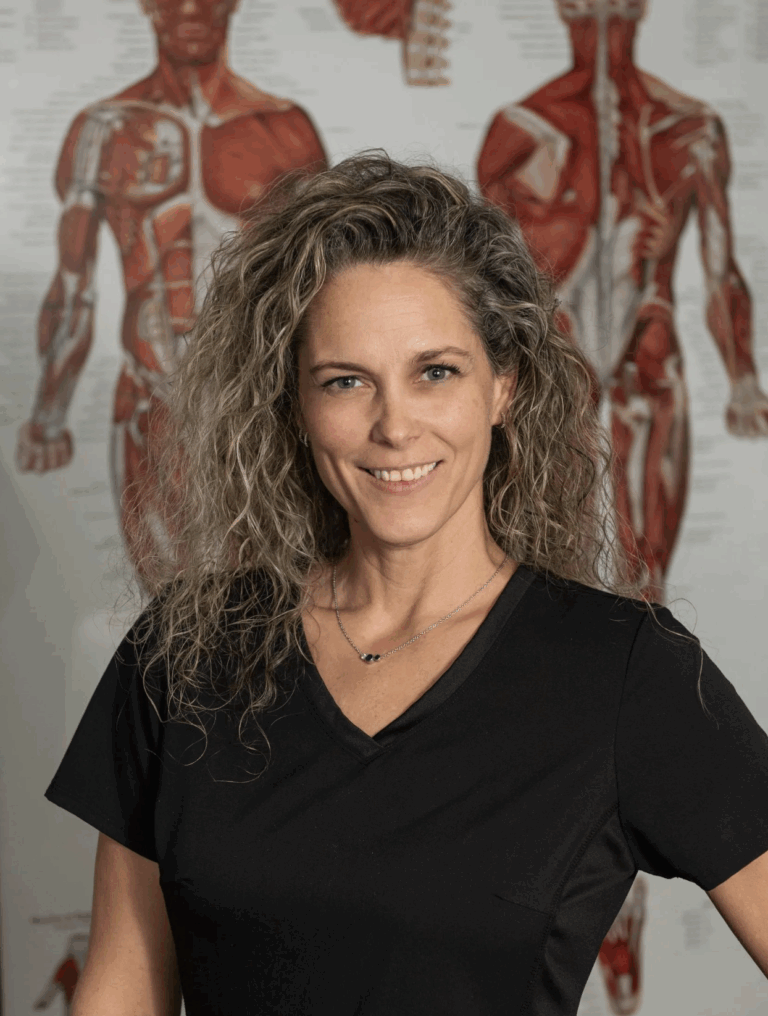
Lisa Greene LMT
Lisa Greene, a licensed massage therapist, graduated from ASHA School of Massage at the top of her class. She specializes in Neuromuscular Massage, Kinesio Rock Tape, and Cupping, which helps her locate the source of referred pain and eliminate it. Within months of graduating, Lisa developed a reputation for assisting patients in getting out of pain quickly and built a thriving practice.
Lisa opened NMT Sports in 2013 after working with a local NUCCA Chiropractor in the Atlanta area. NMT Sports quickly joined up with CrossFit Paragon and the Atlanta Old Boys Rugby team and has traveled with them internationally and their local games.
Class Registration
Click (+) to select your preferred option.
- Payment in Full
- Deposit payment, balance will be invoiced via email 1-week prior to class.
* Select only one, unless registering for multiple LMTs.
If you have any questions please call/ text 404-303-0007